
Villa Favored to Lift 2025/26 Europa League Betting
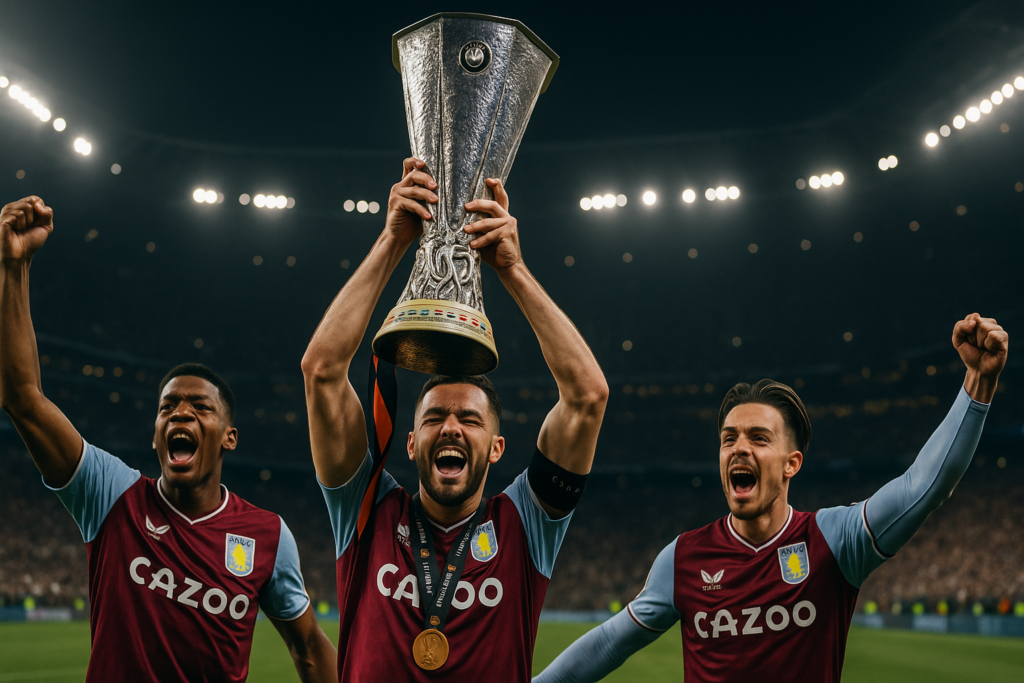
UEFA Europa League 2026 Predictions — Who’s Lifting the Trophy? If you’ve been following the markets and the models this season, one narrative has been hard to ignore: Aston Villa are the consensus favourite to win the 2025/26 UEFA Europa League. Models, tipsters and late‑stage bookmaker pricing have repeatedly pointed to Villa as the team to beat, with AS Roma and FC Porto usually booked as the most likely challengers. In this piece I’ll walk you through the numbers, the narratives, and the practical betting angles—what the probabilities actually mean, where the value might be, and how to approach futures and match bets without getting carried away. Who’s the Favourite — and Why It Matters The headline stat that’s been bouncing around is Opta’s supercomputer result: from the last‑16 stage, the model had Aston Villa winning the Europa League in 29.7% of simulations. That’s a big number for a single club in a knockout competition. A companion video based on Opta’s model put Villa at about 30.31%—the top probability among all remaining teams. You can see the Opta write‑up here: Opta Supercomputer — Europa League predictions (The Analyst), and the video version here: Opta/YouTube Europa League projections. On the market side, once the competition narrowed to a Villa vs Freiburg scenario, a futures tracker showed Villa priced at about –334 and Freiburg at +250. That pricing implies a market‑implied probability comfortably above 70% for Villa after vig—an enormous implied edge for a knockout match-up. These are the two ways the betting world measures chances: model probability (what simulations produce) and price probability (what bettors are willing to back with cash). Why does that matter for you as a bettor or reader? Because models and prices give two different but complementary views. Models tell you what “should” happen if the inputs (form, xG, injuries) are accurate; prices tell you where the money and market sentiment are. When both line up—like they have for Villa—it’s worth paying attention. But alignment isn’t certainty: variance and single‑match weirdness still rule knockout football. Data vs Narrative — Why Villa Have Been So Consistently Fancied There’s a reason the story about Villa has stuck from the league phase through to the business end of the Europa League. Several prediction services and tip pages framed the season as one where Villa were “installed as favourites from the league phase” and “kept their tag as the main favourites the entire season.” That consistency matters because it reduces the chance you’re reacting to a hot streak—Villa’s market position has been durable. From a data perspective, models pick up a number of quantifiable advantages: strong home form, reliable goal‑creating metrics (xG and shot volume), defensive solidity in knockout legs, and squad depth to handle fixture congestion. From a narrative perspective, Villa are seen as a club on the rise seeking a first major European trophy since 1982—an attractive storyline that can also attract betting money. You can read a market‑focussed preview that places Villa front and centre here: MightyTips — Europa League predictions, and a bookmaker‑aware write up that frames Villa and Roma as the top possibilities here: SportyTrader — Europa League betting tips. Bottom line: Villa’s standing is not just hype. Models and markets both peg them as the single biggest probability in the field. That raises two practical implications: (1) Villa bets will typically offer poor value at market prices because the bookies have already shortened them; and (2) if you believe models are understating variance, a small, disciplined hedge or an each‑way posture can be rational—more on that below. The Contenders Tier — Who’s Next After Villa? Even with Villa leading the pack, the analytical snapshots give you a clear second group of clubs to watch. Opta’s simulations after the last‑16 placed AS Roma at 10.1% and FC Porto at 8.5%, with other single‑digit probabilities for Lyon (7.1%), Stuttgart (5.7%), Real Betis (5.6%) and Sporting Braga (5.4%). These are meaningful chances in a knockout tournament: none are toss‑ups, but none have Villa’s outright dominance either. See the supercomputer breakdown here: Opta Supercomputer — team probabilities. How to interpret those percentages? Think in terms of ranges. A 10% model chance doesn’t mean “no hope”—it means roughly one winner in ten trials. For futures bettors, single‑digit model probabilities can still translate to decent odds. If you get each‑way or double‑digit prices on a proven European performer like Porto or Roma, that can be exploitable. Tipsters and previews that pitched Villa vs Porto finals weren’t being cute—those teams routinely showed up in the top slices of both model and market rankings. Finally, there’s value in watching the next tier—Lyon, Betis, Braga—because they often get forgotten in headline narratives. Models give them a reasonable shot, and in knockout football one tactical masterclass or injury swing can shift a tie. That’s why it’s useful to keep an eye on match‑level markets as the rounds progress rather than commit all your futures money early. Match‑Level Predictions — Where Models Disagree and Why That’s Useful If you’re building content around single matches or want to place match bets, the differing scoreline calls across tipsters are instructive. Around the same late‑stage windows, different outlets produced slightly different micro forecasts while agreeing on macro edges. One preview predicted Celta Vigo 1–1 Freiburg and Aston Villa 3–1 Bologna, while tipping Porto to edge Nottingham Forest 0–1 and Betis to win Braga after extra time. See an example matchday preview here: Sports Illustrated — Europa League matchday predictions. Another service leaned to higher‑scoring draws for the same ties (Celta 2–2 Freiburg) and slightly tighter Villa scores (2–1), showing that models differ on margins more than outcomes: FootballPredictions — Europa League forecasts. Data‑heavy providers and AI/xG platforms produce a matrix of probabilities (1X2, over/under 2.5, exact scores) that you can use to find small market inefficiencies. TheDailyPunt and similar services publish these grids and implied probabilities so you can compare models to bookmaker lines. Why does the disagreement matter? Because it highlights the key gambler’s opportunity: small differences
Mbappé seals 2026 World Cup Golden Boot in back-to-back

Mbappé Wins the 2026 FIFA World Cup Golden Boot: What It Means for Players, Punters and the Game If you were tracking the Golden Boot race at the 2026 World Cup, you already felt the tension build toward the end. Kylian Mbappé finished the tournament with 10 goals and walked away with the Golden Boot, just ahead of Lionel Messi, who ended on 8. It wasn’t an overnight development — it was a finish that hinged on a dramatic sequence of matches, a brace in the third-place game and a scoreless final from one of the game’s all-time greats. That result makes Mbappé the first player ever to win the World Cup Golden Boot twice, having previously finished top goalscorer in 2022. For players, bettors, and pundits alike, this is a moment worth unpacking. Below I’ll take you through the numbers, the decisive matches, why it matters for betting and legacy, and what lessons players and punters can draw from the run-up to — and the finish of — this tournament. The headline numbers: 10 goals, a two-goal gap, and a historic double The basic facts are straightforward and indisputable. Kylian Mbappé finished the 2026 World Cup with 10 goals. Lionel Messi finished the tournament with 8. Those numbers come from match reports and coverage of the tournament. What makes the raw tally memorable is the context: Mbappé won the Golden Boot for a second time, marking the first occasion a player has taken the World Cup top-scorer award twice. Multiple outlets reported the conclusion and significance of this result — including analysis and match reporting from major sports news providers. See coverage that summarizes the award and immediate context at Yahoo Sports’ Golden Boot report and a concise roundup of the milestone at the BBC. Financial and sports press also noted the back-to-back prominence of Mbappé in Golden Boot standings going into and through the tournament, for example in reporting from LiveMint. Simple totals like “10 vs 8” can hide the drama, though. The timing of goals, the stage of the competition when they came, and the performances of rivals matter just as much as the headline number — and that’s where the story really is. How the third-place game changed everything If you enjoy drama, this Golden Boot race had late-stage twists. Mbappé delivered a decisive boost to his tally in France’s third-place match against England by scoring twice. Those two goals padded his total and proved crucial when Messi failed to score in Argentina’s final against Spain. Reporting at the time made it clear that Mbappé’s brace in that consolation match was the primary reason he edged the tally — in other words, the race wasn’t decided until those final matches were played. You can read the match recap and the Golden Boot implications in the reporting by Yahoo Sports and contemporaneous analysis from outlets like The National. Both underline the point that scoring late in the tournament — even in a third-place match — can swing awards where margins are tight. There’s a betting and psychology lesson here: some players keep their intensity when the trophy’s out of reach, and that resilience can pay off in both legacy and prop markets. For gamblers, too, those late goals can ruin or make a futures bet on a top scorer — more on that below. Why this Golden Boot matters: history, rivalry and legacy Two threads are worth pulling on here: the historical milestone and the continuing Mbappé–Messi narrative. A historical milestone: Mbappé’s second Golden Boot is the first time any player has taken the World Cup top-scorer award twice. That’s a simple fact, and it elevates Mbappé’s place in tournament history. Several outlets flagged this as a defining element of the 2026 awards. See the BBC’s coverage noting his creation of a new record at the tournament level: BBC report. An ongoing rivalry: Mbappé and Messi are among the most scrutinized players of the modern era. Messi finished with 8 goals but came up scoreless in the final, which folded into the narrative about whether individual glory and team success can coincide at major tournaments. Press coverage from multiple outlets picked up on this juxtaposition — the leaderboards and the final’s significance are both part of how fans remember a tournament. For future Hall-of-Fame debates, club narratives and transfer-market valuations, tournament awards matter. They are headline-grabbing, and for players still in their peaks, they can alter perceptions among managers, sponsors and fans. That’s why the Golden Boot carries more than just a personal trophy value — it becomes part of career branding. What punters should take away: markets, timing and risk management Let’s switch to the punting side of things. If you follow football markets — props, futures, and live markets — this Golden Boot race is an excellent case study in how variance, late-match goals and match context influence outcomes. Futures vs in-tournament markets: Backing a player pre-tournament (a futures bet) is essentially a bet on form, fitness and fixtures across more than 90 minutes. If you back a player who makes deep runs, you’re buying into the chance they’ll have more matches to score in. Mbappé’s two Golden Boots tell us that consistent tournament-level goal threat is valuable; bettors who backed him early likely benefited. For mid-tournament props, late-stage scoring — like two goals in a third-place game — can unexpectedly flip outcomes. Late-match volatility: Third-place games and consolation matches still produce relevant statistics. Some bettors discount these games as less meaningful, but the Golden Boot race shows they can be decisive. If you’re tracking a top-scorer market, don’t ignore those matches. Responsible bankroll management: Tournaments are long and emotional. The safest approaches are staking plans, limiting exposure to emotionally charged wagers and treating large futures as a percentage of your bankroll. The unexpected — a late brace or a shock scoreless final from a rival — can move markets dramatically. For ongoing tracking of top-scorer standings during tournaments, sports outlets often run live
Mbappé favored to win 2026 Golden Boot in betting markets
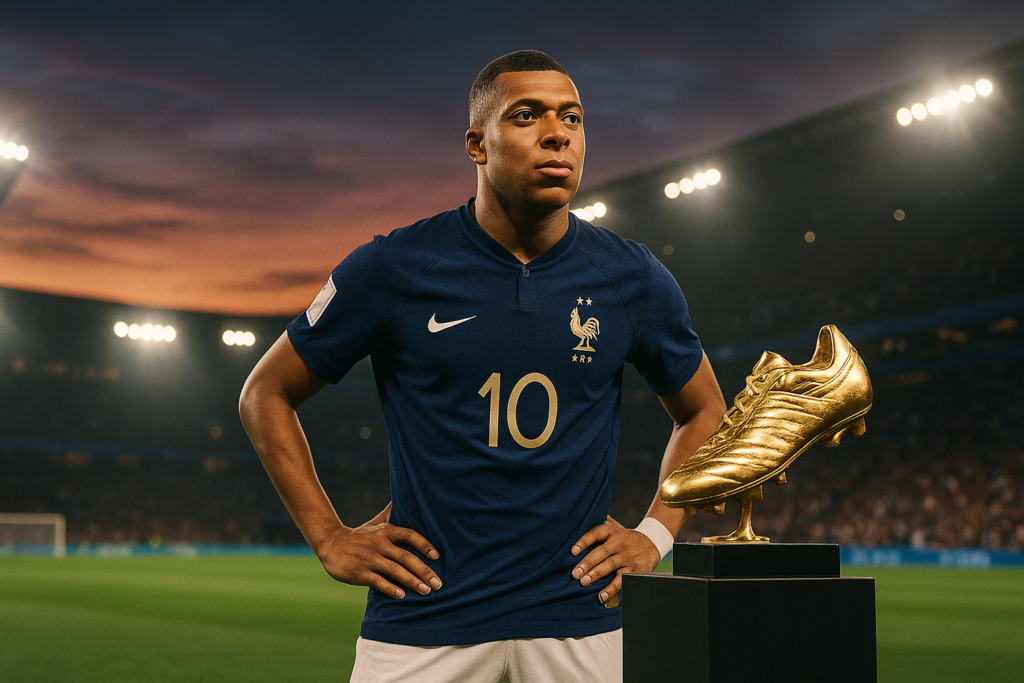
Who will win the Golden Boot at the 2026 World Cup? Short answer: right now, Kylian Mbappé looks like the clear favorite. But “right now” is the operative phrase — tournaments turn on moments, not just reputations. Let’s walk through what the numbers say, why they matter, who the realistic challengers are, how the award is decided if goals are level, and what practical things a bettor or an armchair pundit should watch during the rest of the tournament. Why Kylian Mbappé is the frontrunner Multiple live Golden Boot trackers put Mbappé at the top of the scoring charts during the 2026 World Cup, with publications reporting him on totals anywhere from seven to ten goals depending on when the tracker was updated. Those real-time tallies are reflected in mainstream outlets that followed the scoring race closely during the tournament — for example, The National’s Golden Boot coverage and reporting by The Independent. Beyond raw goals, there are two reasons Mbappé’s lead feels robust rather than fragile: Form and history: He won the Golden Boot at the 2022 World Cup, which demonstrates tournament-level finishing ability and a pecking order on his national team for goal-scoring chances (penalties, set pieces, etc.). This past success was noted by tournament trackers and goal tallies referenced in reporting such as Goal’s Golden Boot summary. Market confidence: Betting markets tend to concentrate around consistent performers. During the 2026 race, markets priced Mbappé as the strongest favorite — one market even assigned him roughly a 94% chance in the snapshot cited by multiple outlets — with others listing him as a heavy odds-on favorite. That market signal is just one data point, but it reflects how both public money and bookmakers viewed his probability of outscoring everyone else. Those elements — live tallies, past tournament finishing, and market pricing — combine to make Mbappé the default answer to “who will win the Golden Boot?” for many observers. Still, favorites get overtaken, and elite goalscorers like Lionel Messi, Erling Haaland and Harry Kane were all in the conversation during the competition. The main challengers: Messi, Haaland, Kane (and why they matter) Let’s be clear: Mbappé’s lead isn’t a runaway in footballing terms — the Golden Boot race can hinge on a single game, a penalty, or a late substitute cameo. The other names frequently mentioned in coverage were Lionel Messi, Erling Haaland and Harry Kane. Here’s what each challenger brings to the table and why they were on the radar. Lionel Messi Messi was the closest alternative in many standings, but reports consistently showed him trailing Mbappé in goal totals or behind on the tiebreakers used to decide the award. That relative gap mattered to trackers and commentators who flagged him as a legitimate but slightly less likely winner than Mbappé, as reflected in pieces like Al Jazeera’s Golden Boot overview. Erling Haaland Haaland’s club form made him an obvious pick pre-tournament — he’s a central striker with an exceptional conversion rate. During the World Cup, however, sources tracking the scoring race placed him behind Mbappé in the standings. His threat is undeniable, but tournament progression, the draw, and minutes played determine whether his finishing prowess translates into the top scorer award. Harry Kane Kane is a proven international scorer with an eye for penalties and late-game goals. Coverage such as the interactive Golden Boot trackers in outlets like The Guardian’s interactive tracker placed him in the chasing pack, but trailing the front-runner at critical moments. All four are top-tier talents; what separates them in the standings is a mixture of team form (how far their nation progresses), minutes played, role (central striker vs. wide forward), and whether they take penalties — small edges that matter enormously in a short tournament. How the Golden Boot is actually decided (tiebreakers that matter) If two players finish with the same number of goals, FIFA’s published and commonly-applied tiebreakers decide the winner — and trackers correctly pointed these out during the 2026 race. The usual order is: Goals scored (primary) Assists (first tiebreaker) Fewer minutes played (second tiebreaker) That order was highlighted in multiple reports and trackers; for example, BBC Pidgin noted assists and minutes as the tie-breakers, and outlets like The Independent reiterated the same rules when analyzing the close race. Why this matters: two players can finish level on goals, but if one has supplied more assists, that player lifts the Golden Boot. Similarly, a player who scored the same number of goals in fewer minutes gains the advantage — so late substitutes who score consistently have a statistical edge in the minutes tiebreaker. It’s not a hypothetical: every World Cup Golden Boot since FIFA began using these tiebreakers has hinged on them at least in close calls, and they influence how you should view “likelihood” beyond raw goal totals. How betting markets read the race — and what the percentages mean Bookmakers and betting exchanges move on the same inputs fans use: goals and minutes, but also injury news, starting XI whispers, tactical adjustments, and — importantly — where national teams finish in the tournament. If a player’s country gets knocked out earlier, their chance to add to their total disappears; that’s why tournament progression is a core part of odds-setting. During the 2026 competition, multiple outlets reported that bookmakers strongly favored Mbappé. One market snapshot cited in coverage put his probability at roughly 94% — a number that signals a near-locked outcome in that particular market at that time. Other markets simply listed him as “odds-on” or a heavy favorite. Sources covering this included game trackers and betting-roundups such as The Independent and tournament evaluations like Al Jazeera’s analysis. What a high market probability implies practically: Heavy action and little value: When a single player accumulates a large share of money and volume, bookies shorten odds to protect their liability. It doesn’t mean the result is certain — but it does mean you’re paying for consensus. Liquid markets respond to variance: If an injury or
England’s 2026 World Cup exit reshapes betting markets
England’s 2026 World Cup Exit: What it Means for Punters, Posters and the Next Big Markets England bowed out of the 2026 World Cup at the semifinal stage, beaten by Argentina after taking the lead — a result that felt painfully familiar to many fans and bettors. Anthony Gordon had given England the advantage, only for Enzo Fernández to level in the 85th minute and Lautaro Martínez to head Argentina into the final. For gamblers, traders and anyone who prices risk on international tournaments, that late swing isn’t just heartbreak — it’s useful data. Let’s unpack the game, trace England’s route to the last four, and translate the key themes into actionable betting insight: where the market mispriced risk, which lines you can exploit next time, and what to watch when England play in high-leverage knockout situations. How England’s 2026 Campaign Played Out (the short version) England reached the semifinal of the 2026 World Cup before being eliminated by Argentina, who moved on to a second consecutive final after the late turnaround. That result continued a long drought: England have now gone 14 consecutive World Cup tournaments without lifting the trophy, a run that stretches back to 1966. On the road to the semis England showed resilience — and some worrying volatility. Their group-stage form was solid: they topped Group L with 7 points from three games, finishing ahead of Croatia, Ghana and Panama. In the knockouts they edged DR Congo 2–1 in Atlanta after coming from behind (Harry Kane’s late brace), beat Mexico 3–2 in a thriller in the round of 16, and overcame Norway 2–1 after extra time in the quarterfinals. Then came Argentina, and the familiar late collapse. For match recaps and the official elimination tracking, see the ESPN summary of the semifinal and the broader elimination lists on Fox Sports. ESPN: World Cup 2026 elimination recap (including England v Argentina) Match anatomy: England vs Argentina — what happened, minute by minute (and why it matters to bettors) The narrative is straightforward but rich in betting lessons. England took the lead through Anthony Gordon, and for large chunks of the second half they looked likely to close the job. Then, in quick succession late on, Enzo Fernández scored an 85th-minute equaliser and Lautaro Martínez headed the winner. Argentina’s comeback illustrates two things bettors care about: late-game variance and opponent clutch performance. Late goals move markets fast. An 85th-minute equaliser often reprices live markets dramatically — from match-winner odds to totals and both-teams-to-score lines. In-play volatility wins and loses money. Traders who were short on an England win had to adjust rapidly; backers who parked money on England before full-time saw a damaging swing in expectation and P&L. Context changes perception. For public bettors who had sentimental money on England to finally “get over the line,” the late collapse reinforces scepticism and will likely affect futures and ante-post markets for some time. For a detailed match recap that highlights the late goals and game context, consult ESPN’s write-up of the elimination. ESPN match recap and assessment Route to the semis: resilience or smoke-and-mirrors? England’s path to the last four combined solid group-stage work with a handful of nervous moments that repeatedly required late-game heroics. That mix is useful for market analysis because it tells you something about underlying strength versus match luck. Group stage consistency: Topping Group L with 7 points is a tidy, if unspectacular, foundation. They finished ahead of Croatia, Ghana and Panama, which meant a favourable knockout draw on paper. The BBC’s group round coverage gives match details and confirms the points tally. Last-minute saves and extra time: England came from behind to beat DR Congo 2–1 in the round of 32 — with Harry Kane delivering a late brace to turn the tide. That match showed both killer instinct and vulnerability. Thrill in the round of 16: England defeated Mexico 3–2 in a back-and-forth tie, a result that suggests offensive firepower but defensive soft spots. Sporting News’ tournament elimination list references that result in context. Quarterfinal endurance: The win over Norway (2–1 after extra time) shows stamina and the ability to grind one out, but also a tendency to require extra time against teams outside the traditional elite. These moments — comeback wins, extra time, last-gasp swings — create a particular betting profile: England are a team that can win tight knockout matches, but they also present risk of late reversals. Industry trackers at outlets such as BBC Sport and Sporting News document these fixtures and outcomes. What this means for futures and in-play markets Now for the part most readers will care about: the money bit. England’s elimination affects three main market types — futures, handicaps and live markets — in clear ways. Futures/ante-post: A semifinal finish is a strong performance, but it is framed by the narrative of “always nearly.” Public money often backs England early on due to national loyalty; however, bettors who adjust for psychological bias may fade England post-tournament or demand better value. Futures pricing will factor in the squad’s ability to go deep, but not necessarily to win — expect slightly longer prices for outright victory next time unless form or personnel change dramatically. Match odds and handicaps: The defensive frailties shown in late stages (DR Congo comeback scares, the Argentina collapse) increase liability on short-priced England lines. Bookmakers may widen handicaps or offer shorter lines on England being pegged back late. For market-makers, England’s matches are higher variance on the closing 20 minutes. Live betting: This is where the lesson is most profitable. England’s matches demonstrated a pattern: they score and concede late. Traders should price live markets to reflect a higher probability of late goals when England are involved — both for and against. That means watching substitution patterns, yellow-card fatigue and set-piece vulnerability late in games. For industry readers, tracking match events and tying them to live odds is essential. News outlets like Euronews and France24 covered England’s early knockout tests and highlight how
World Cup 2026 Recap and Betting Trends for Bettors

World Cup 2026 Recap: How the Expanded Tournament Redrew the Map The 2026 FIFA World Cup was a different animal — larger, longer, louder and, yes, a little messier. Between 11 June and 19 July, 48 national teams played 104 matches across 16 host cities in the United States, Mexico and Canada in what became the longest World Cup ever (39 days). The expanded field delivered dramatic upsets, fresh faces and some clear lessons for anyone who bets on football: more matches equals more variance, and the old hierarchies aren’t always a safe bet anymore. How the tournament was built — format and logistics that matter If you’re tracking markets or setting models, start with the structure. The 2026 event moved from 32 to 48 teams, creating 12 groups of four. Each team played three group matches, and the top two in each group (24 teams) plus the eight best third-place teams advanced to a newly created Round of 32. That change pushed the match count to 104 (72 group games + 32 knockout games), making the schedule denser and the knockout ladder deeper than previous World Cups. For the official overview of hosts and schedule, see the FIFA summary on the 2026 World Cup (Wikipedia) and the format breakdown at Britannica. Why this matters for bettors and bookies: more matches mean more betting opportunities and more in‑play liquidity, but also more noise. The Round of 32 is a tournament stage that simply didn’t exist before — it changes knockout dynamics because you can get high-seed vs. lower-seed matchups a round earlier, and that shift affects live odds and upset risk profiles. Records and firsts — a tournament of milestones Several headline facts stood out. The World Cup was the first to be hosted by three countries and the first to feature 48 teams. By late June the tournament had already set a new attendance record: FIFA reported cumulative attendance had surpassed 3.6 million by the Ecuador vs Germany match at MetLife Stadium, eclipsing the long-standing USA 1994 mark. For context and attendance reporting see Al Jazeera’s roundup. There were also memorable firsts on the pitch: debut nations — Cape Verde, Curaçao, Jordan and Uzbekistan — brought new storylines and, in some cases, immediate competitive impact. Those debuts are more than feel‑good moments; they shifted group calculus and produced real betting volatility in early matchdays. Reuters and other outlets tracked the surprise results in detail — read a data-focused briefing at Reuters’ World Cup data graphics. Group stage: shocks, goals and why the rankings misfired The group stage was anything but predictable. All three hosts advanced from their groups — Mexico, Canada and the United States — and they did it with style: Mexico opened the tournament with a 2–0 win over South Africa in Mexico City, while Canada recorded its first-ever men’s World Cup victory with a 6–0 rout of Qatar in Vancouver, and the U.S. started with a 4–1 win over Paraguay. Those moments reproduced the familiar “host boost” trend, but beyond that, the pattern of results challenged assumptions about guaranteed dominance. Small nations grabbed headlines. Cape Verde drew 1–1 with Spain and then 2–2 with Uruguay, leaving the reigning European champions with far less breathing room than expected. Curaçao scored against Germany. DR Congo held Portugal to a 1–1 draw. Egypt recorded its first World Cup win and actually topped its group at one point. The BBC’s tournament coverage highlighted this competitive leveling across the board — see their analysis at BBC Sport. Some raw numbers tell the story. After 28 matches there were 89 goals — roughly 3.18 goals per game — signaling an open, attacking event. Pre-tournament models that favored attacking powerhouses (France, Germany, Netherlands) were broadly right about progression — all three scored heavily and advanced — but they didn’t account for how many single-game surprises would swing group results. Debutants and underdogs: genuine threats, not window dressing The expanded field was supposed to offer more one-sided affairs. Instead, several newcomers and mid-tier nations disrupted that narrative. Cape Verde’s draws against Spain and Uruguay are the clearest example: a small population country competing toe-to-toe with global football leaders. Curaçao scoring versus Germany, and Jordan and Uzbekistan qualifying through long AFC pathways to make their first finals, added texture and real betting implications. Why this matters in practice: markets that price matches purely on historical pedigree or FIFA ranking took hits. Underdog value appeared more often than some models predicted, making selective back bets and carefully timed live trades profitable for disciplined bettors. But there’s a caveat — variance rises in tournaments with more matches and newcomers, which means you can’t treat single upset results as a signal that the whole generation of favorites has collapsed. Knockout phase and tactical trends to watch The Round of 32 ran from 28 June to 3 July and introduced immediate novelty: a full extra knockout round. Hosts all progressed past the group stage and into at least the early knockout matches, confirming the persistence of home-field advantage even in a shared-hosting format. Early knockout reporting and data analysis highlighted a recurring truth: attack wins you points. France, Germany and the Netherlands each tallied 10 goals in the group phase, and their offensive output correlated with smooth progression into the Round of 32. For a data-driven look at these patterns, Northeastern’s analysis is a good primer: Northeastern World Cup data analysis. That said, the Round of 32 and beyond amplified the unpredictability. The seeding permutations introduced by the “best third-place” rule meant fixtures weren’t as neatly stratified: a top seed could face a mid-table third-placed team with momentum, and that matters when you’re sizing risk for knockout staking plans. The practical betting implication: favor form and recent attacking efficiency over historical brand alone once the knockout draw is fixed. Star players and records — moments that shaped markets Players still make tournaments, and 2026 had its share of headline acts. Lionel Messi, for example, set a World Cup
Spain vs France Lead World Cup 2026 Final Predictions
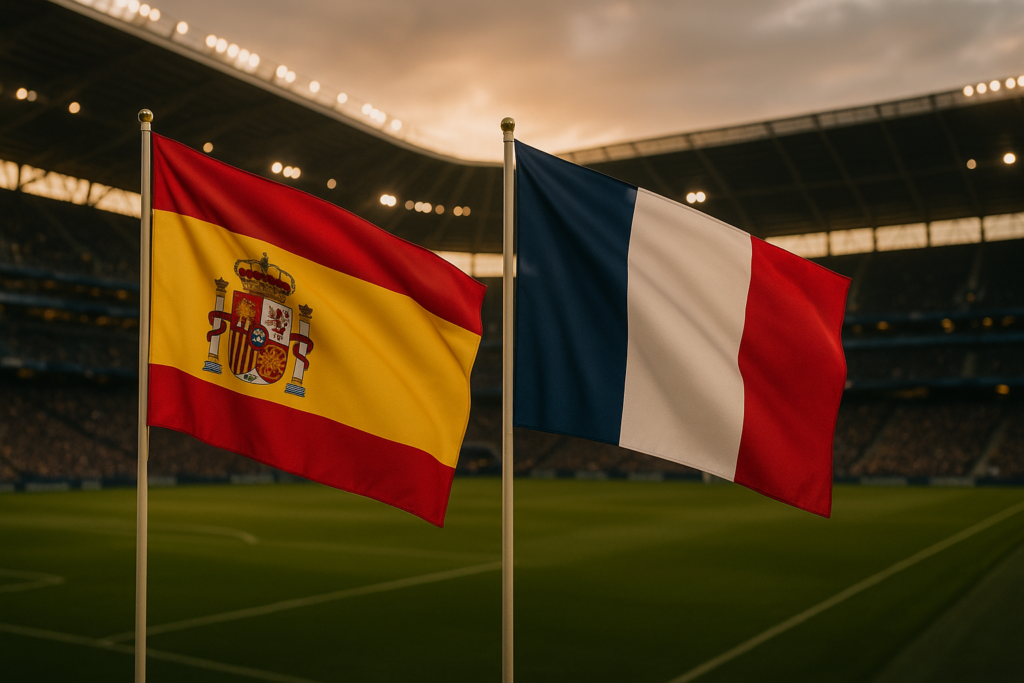
World Cup 2026 Finals Prediction: Why Spain vs France Keeps Coming Up (and Who Else Has a Shot) Everyone loves a final. For bettors, casual fans and armchair managers, predicting the World Cup final is the sport’s ultimate brain-teaser. Across the prediction pieces, simulation models and betting markets that have come out so far, one matchup keeps surfacing: Spain vs France, with France most often nudged over the line as the likeliest winner. But like any good wager, there’s nuance: Argentina and England consistently appear in the next tier of serious contenders, and various writers and supercomputers still suggest alternative finals. Below I’ll break down why Spain vs France is the most commonly predicted final, why France is getting the favorite tag, which teams are the most credible alternatives, and how to treat these predictions if you’re thinking about betting, fantasy drafts, or just winning your World Cup pub argument. Why Spain vs France is the “most common” final When multiple independent predictors — journalists’ brackets, Monte Carlo simulations, and betting odds — point to the same pairing, that’s meaningful. Across outlets and models, Spain and France are the most frequently selected finalists. For example, a roundup of prediction pieces and models shows Spain appearing again and again as a finalist and France frequently being picked to win the whole thing. That pattern shows up in both editorial brackets and data-driven supercomputer runs rather than in a single opinion piece, which is why the pairing stands out as the consensus pick. If you want to read a sampling of those takes yourself, see examples such as the prediction roundups from Squawka and the Guardian’s collection of writer picks at The Guardian. Those pieces are heavy on expert judgment and show the same convergence toward Spain and France that data models are finding. Why France is often crowned the likeliest winner France shows up at the top in both narrative and numeric forecasts. Supercomputer-style projections — the kind that simulate the tournament thousands or even millions of times using player form, Elo-like ratings and tournament structure — repeatedly place France near or at the summit. Sports Illustrated’s supercomputer output, for instance, lists France as a leading candidate, and ESPN’s betting coverage similarly highlights France among the favorites in championship odds. Why does that make sense? France’s depth is the headline. Even with injuries or small dips in form, their talent pool is enormous and balanced across positions. In tournament formats, depth matters more than single-game brilliance: you need sustained quality across group stages, knockouts, and possibly extra-time scenarios. That’s exactly where France’s roster construction gives them an edge in many models. For a data-driven take, check the simulation summary at Sports Illustrated and the betting odds context in ESPN’s piece at ESPN. Spain, Argentina and England — the strongest challengers Consensus doesn’t mean unanimity. While Spain and France look like the “safest” picks, Argentina, and England are the most credible alternates — the teams prediction models and writers slide into semifinal or final slots with some regularity. Spain: frequent finalist, stylistic favorite Spain’s tactical coherence and a generation of technically gifted players explain why they’re a favorite in many predictions. Models and editorial picks repeatedly place Spain in the final or deep into the knockout rounds, and commentators often flag their blend of ball control and goal-scoring potential as a big strength. Squawka’s roundup and multiple writer brackets back up that assessment; see Squawka for a snapshot of where Spain lands across different pieces. Argentina: still a heavyweight Argentina’s consistency in models and writer projections reflects the country’s World Cup pedigree and squad quality. Even after a World Cup victory in recent history, Argentina keeps surfacing as a semifinal or final candidate in both human brackets and supercomputer runs — as shown in the Sports Illustrated simulations and other model outputs referenced across outlets. For a view of how data models treat Argentina’s chances, look at the simulation breakdowns linked in the SI piece: Sports Illustrated. England: dark horse with intermittent peaks England’s profile in predictions is consistent but often a step behind Spain, France and Argentina. Models regularly slot England into the pool of realistic finalists, especially when considering their young talent and tactical evolution. USA Today’s prediction coverage highlights England as a plausible final participant in multiple writer brackets and simulation outputs: USA Today. What models and writers agree on — and where they disagree Across the pieces, there’s a clear common denominator: Spain and France are the safest finalist picks, while Argentina and England are the most credible alternatives. But disagreements abound once you move beyond that core set. Some writers project Spain vs Argentina as the final, especially where Argentina’s knockout pedigree is given extra weight. See the Guardian’s writer bracket collection for examples: The Guardian. Other forecasts put France vs Argentina or France vs England in the final, depending on how the hypotheticals play out in knockout bracket simulations. Sports Illustrated’s supercomputer and several editorial pieces show these variations: Sports Illustrated. Model sensitivity is a big reason for variance: small changes to group outcomes, injury timelines, or which players peak at the right moment flip probability mass between finalists. In short: consensus exists at the top of the list, but the tournament’s knockout nature magnifies variance. That’s why editorial consensus and supercomputer outputs look similar but not identical. How to interpret these predictions if you plan to bet or fantasy-pick If you’re taking these predictions to the betting window or your fantasy draft, here are practical takeaways that matter in the real world: Use probabilities, not certainties. Most models give teams probabilities rather than guarantees. France may be the single likeliest winner across models, but that doesn’t mean they’re a sure thing — it means you should size your bets accordingly. Market odds vs. model odds. Compare model outputs to real-world betting lines. Discrepancies can create value — or reveal market wisdom you missed. ESPN’s betting coverage is a helpful place to monitor how markets
Mbappé leads France past Morocco as betting markets react
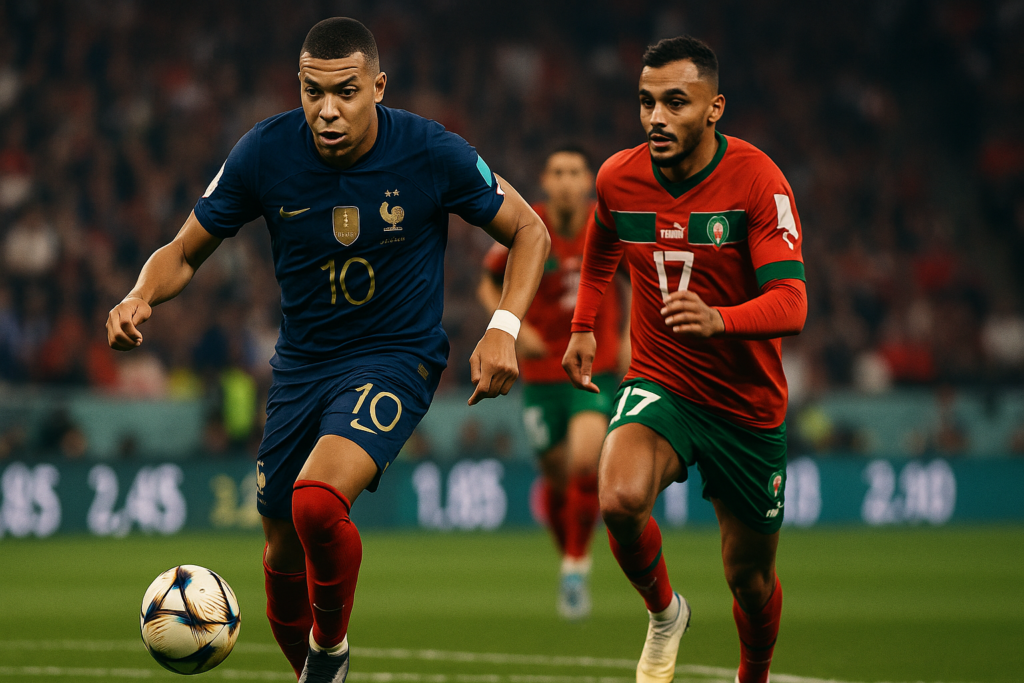
World Cup 2026: France 2–0 Morocco — Mbappé erases a missed penalty with goal and assist If you like drama, you got it. If you like class finished under pressure, you got that too. France edged Morocco 2–0 in the World Cup quarter-final at Boston Stadium in Foxborough, but the headline wasn’t just the scoreline — it was Kylian Mbappé’s emotional, authoritative performance: he missed an early penalty that was saved by Yassine Bounou, then went on to score and create Ousmane Dembélé’s long-range strike. For bettors and fans alike, it was a neat study in momentum, markets and why one moment doesn’t define a match. Quick match recap: how the drama unfolded The quarter-final had everything you want from a knockout tie: an early test, a swing in confidence and a closing statement. Mbappé, the tournament’s leading scorer coming into the game, had an early spot-kick saved by Morocco goalkeeper Yassine Bounou — a huge moment that could have shifted the narrative toward Morocco. Instead, Mbappé made amends, converting later to put France 1–0 and then providing the assist for Ousmane Dembélé, who buried a strike from outside the box to make it 2–0. The win moves France into the semi-finals to face the winner of Spain vs Belgium. For match reports and play-by-play, you can read ESPN’s game summary for the lineups and major events or watch key moments on the Fox Sports highlight reel. NBC’s live coverage also captured the game narrative and post-match implications. ESPN match report: Morocco vs France — game details Fox Sports highlights: Mbappé penalty saved and later goal/assist NBC News live coverage: France dominates and progresses The Mbappé storyline: why that penalty miss didn’t derail him Let’s be clear: missing a penalty in a World Cup quarter-final is massive. The moment feeds headlines, social feeds and in-play markets faster than any other event in the match. But the bigger story is how Mbappé responded. He didn’t fold; he produced the decisive actions that won the game. Penalty saved — An early penalty was denied by Yassine Bounou, a shot that would have put France ahead. Instead, Morocco stayed in it and the psychological edge flipped temporarily. Goal and assist — Mbappé later put France ahead with a composed finish, then set up Dembélé for the second. Official summaries and highlight reels confirm he finished with a goal and an assist after the miss. Scoring tally — That goal moved Mbappé to eight goals for the tournament, keeping him as the competition’s top scorer through the quarter-finals. That arc — miss, then decisive contributions — is exactly what separates great players from merely good ones. From a betting perspective, it also shows why simply handicapping a player based on one event (e.g., “he missed a penalty, so he’s out of form”) can be a mistake. Markets are reflexive and often overreact; smart bettors look at the full picture. For a recap of the event as described across broadcasters, see the Fox Sports highlight package and NBC’s live blog that framed the night as “Mbappé vs Morocco.” Tactical takeaways — what happened on the pitch Scorelines are tidy but they don’t tell the full tactical story. France’s win came from a mix of attacking variety and defensive control. Morocco, who had been on a historic run into the knockout stages, created danger early and tested France’s defense, but France’s attack variety and substitutions ultimately created the decisive openings. France’s finishing moments: Mbappé found the right space to finish clinically when the chance arrived — a reminder that elite forwards make you pay for small defensive lapses. Dembélé’s strike: Scoring from outside the box is a valuable weapon — it stretches defensive shapes and changes goalkeeper positioning in future matches. Morocco’s resilience: Even after the miss and conceding, Morocco didn’t fold; they still tested France at times, but they couldn’t convert chances into goals. Match footage and post-match write-ups — like the Olympics’ live updates and highlight reels — show how France controlled key attacking channels and how Mbappé freed space for team-mates. If you’re handicapping future games, consider the ways a team creates and defends against shots from distance versus high-quality chances in the box. Olympics.com live updates: match context and lineups Betting implications: markets, momentum and what to watch next As a gambling writer, this is the fun part: translating match events into market consequences. But remember: past outcomes are imperfect predictors. Here’s how the France–Morocco result reshapes the betting landscape. 1) Futures and tournament markets France’s progression to the semi-final strengthens their position in title markets and should compress odds on them lifting the trophy. Conversely, Morocco’s elimination ends their outsized run, but bettors who backed them earlier enjoyed generous payouts. If you’re watching futures, expect movement based on this game — but don’t chase prices without value. 2) Player props Mbappé now has eight goals in the tournament. That’s important for Golden Boot markets and single-match player props (next-game scorer, anytime scorer, assists). After a match like this, props for Mbappé to score or assist in the semifinal will tighten. If you expected that and bought early, kudos. If not, consider evaluating value across alternative markets (e.g., shots on target, combined goal contributions in the match) where lines might still be reasonable. 3) Live betting lessons The early penalty miss was a market-moving event. In-play lines will swing dramatically after such moments — vitally, the market’s reaction can create edges if you understand momentum and team psychology. For example: If a team misses a penalty early, you’ll often see a temporary bump in the opponent’s in-play win probability. But elite scorers often respond — markets sometimes over-adjust. Quickly sell (hedge) if you backed a team pre-match and they concede early; conversely, if you were waiting to bet, a shock event can create better lines later as the market settles. Those are general principles. No bookmaker or bet is guaranteed. Be mindful of liquidity and cut-offs for bets — major live
World Cup 2026 France vs Morocco betting preview QF
World Cup 2026 Quarterfinal Preview & Betting Guide — France vs Morocco Welcome to the kind of match that makes bettors rub their hands and neutral fans lean forward: France vs Morocco in the World Cup quarterfinals. The consensus from models, markets and most pundits is simple — France are the favorites. But this isn’t a foregone conclusion. Morocco have repeatedly shown they can frustrate the elite and turn knockout nights into chaos. Below I’ll walk you through what the numbers say, why they matter, the realistic scorelines to expect, and practical betting angles (conservative and aggressive). I’ll also cover the injury and tactical context, how to spot value, and how to manage the real risk: variance. Wherever I cite forecasts or market pricing, I’m pointing to the published previews and models that put these figures on the table. What the models and markets are saying If you want a short answer: models and markets line up behind France. The quantitative side is notably clustered around a French win in regulation, with central win probabilities roughly in the low‑60% range. Opta/Analyst projection: France win probability ~60.9%, draw 22.2%, Morocco 16.9% — a clear edge but not an overwhelming one. (The Analyst) Dimers / Syracuse aggregation: France ~60.1% win chance when accounting for draws and extra time; Polymarket‑derived data referenced in Syracuse shows ~63% chance France wins in regulation and ~35% chance they win by 2+ goals. (Syracuse) Pundit panels: ESPN’s quarterfinal roundtable saw 7 of 8 analysts pick France (scorelines commonly 2‑0, 2‑1, 3‑1), and multiple outlets (including ESPN) reflect similar leanings. Book prices reported in previews: lines vary — from a DraftKings‑cited France price near -370 up to mid‑60s implied percentages at other books (bet365, Dafabet references in the previews). Those differences reflect how books factor liability and market flow. (Referenced in the previews above.) Translation for bettors: France are the rational favorite across statistical models and media predictions. But models put Morocco’s outright upset probability in the mid‑teens; that’s small but meaningful for value hunters. Scoreline scenarios — tight, controlled win vs France pulling away There’s a split view among experts on whether this is going to be a controlled, low‑scoring game or one where France’s attackers push the total above two goals. Low‑scoring camp: Several previews emphasize a France win with few goals (1‑0 or 2‑0) — SportsMole even suggests a 1‑0 win after extra time. Squawka’s models tilt slightly toward under 2.5 goals (around 53% in their preview) and highlight France’s defensive solidity. (Squawka) Higher‑scoring camp: Other forecasts (and market spreads) think France’s offensive depth makes 2+ goals likely. Syracuse’s aggregation highlights a near‑50% chance for over 2.5 goals in some markets and a ~35% chance France win by 2+. That’s why you see expert scorelines like 2‑1 or 3‑1 in publications such as ESPN and USA Today. (Syracuse, ESPN) Why it matters: your choice between “France to win to nil” and a “France & Over 1.5” type ticket is more than nitpicking — it’s a statement about how you expect the match to unfold. If you think Morocco will pack in bodies and try to counter, low‑scoring French control is logical. If you believe France’s attackers will break the compactness, backing the extra goal(s) is rational. Key contextual factors shifting the balance There are a few storyline and tactical elements teams and bettors should watch closely. Rematch of 2022 semi: This is a replay of the Qatar 2022 semi‑final, which France won 2‑0. History doesn’t decide the next 90 minutes, but it shapes psychological edges and preparation. Several previews flag that rematch narrative when gauging mental edges. (Syracuse) France’s tournament form: Published previews note France’s sterling run — five wins from five, 14 goals scored and only two conceded in the tournament per Squawka’s summary — which supports the “France control” view. (Squawka) Morocco’s DNA: Morocco have an underdog, organization‑first identity that has produced upsets in recent major tournaments (and knockout resilience). Many writers stress Morocco’s talent for frustrating top teams and hitting on transitions. (Fox Sports) Injuries: France will be missing Aurélien Tchouaméni for this match due to a groin problem — an absence mentioned in Syracuse’s betting preview. That’s tangible for midfield control and how France might manage central space. (Syracuse) Bottom line: France bring more firepower and finishers. Morocco bring system and discipline. If France can eclipse Morocco’s compactness early, the game opens up; if Morocco keeps it tight, expect a low total and a close game. Upset risk — the case for backing Morocco Here’s where the smart money separates from the herd: models give Morocco a genuine, if minority, chance. Opta-based projections show Morocco winning about 16.9% of the time and a draw/extra‑time outcome in roughly 22.2% of simulations. That’s not fantasy odds — it’s a realistic scenario band where an underdog makes the knockout noise. (The Analyst) Why Morocco could upset: Defensive organization: They’ve shown the ability to compact, deny space and force low‑quality shots. Counter‑attack danger: If France commit players forward, Morocco have the speed and transition game to punish turnovers. Penalty / extra‑time realism: As pundits noted, the match can go to a scrappy extra time or penalties — and anything can happen there. ESPN’s roundtable even had a pick for Morocco winning on penalties. (ESPN) For bettors that respect variance: a carefully sized outright on Morocco, or a match‑result parlay that reduces variance, can be justified by the ~15–25% upset window that models and books imply. Practical betting angles and sample notes Below are concrete, source‑informed betting approaches split into conservative and aggressive plays. Remember: none of these are guaranteed winners — they reflect how market odds and model probabilities align. Conservative — protect the bankroll Small single on France to win in regulation: This mirrors the consensus and is fine if you value probability over payout. Models put France around ~60–65% in many aggregations. (Syracuse, The Analyst) France to win + Under 2.5 goals: If you believe Morocco will constrain space and France will
Switzerland vs Colombia World Cup 2026 Betting Odds
Switzerland vs Colombia — World Cup 2026 Round of 16: Predictions, Odds and Betting Guide Short version for the impatient: the consensus from models, bookmakers and previews is a narrow Colombia win in 90 minutes — most commonly a 1-0 or 2-1 scoreline. Markets are pricing Colombia as the slight favorite (roughly +125 to +131), Switzerland is the longer shot (~+240 to +270), and the draw sits around +210 to +220. That doesn’t mean it’s a slam dunk — there are contrarian views backing Switzerland and higher-scoring outcomes — but if you need a single pick, Colombia in 90 minutes is the one most experts are siding with. What the market and models are saying When you look across previews, betting models and sportsbook prices, one theme stands out: this is expected to be tight and tactical, with Colombia the favored side. Sources like RotoWire’s preview and the USA Today Sportsbook Wire both lean Colombia in 90 minutes. A SportsCasting supercomputer projection also favors a low-scoring Colombia victory and explicitly projects Under 2.5 goals in its output (SportsCasting). The consensus scorelines repeating across outlets are 1-0 and 2-1 for Colombia — that tells you a lot about how people expect this game to play out: close, perhaps decided by a single decisive moment or a set-piece, not a high-scoring classic. The market odds — what the price action implies Price-wise, most books have Colombia as the 90-minute favorite, around +125 to +131. Switzerland is drifting in the +240 to +270 range, with a draw priced roughly +210 to +220. Those prices imply an approximate probability distribution: Colombia ~44–45% implied probability, draw ~32–33%, Switzerland ~27–30% (these are back-of-envelope conversions). What those numbers mean for bettors: Colombia being the favorite doesn’t make them a heavy favorite. A single swing (a penalty, a red card, a moment of individual quality) can flip the result. That makes moneyline betting attractive to some — especially if you believe the market underestimates Colombia’s chances — but it also makes draw + win or goal-line markets interesting for people looking for better risk-reward. How experts are turning those odds into bets Across previews you’ll see a few repeated “best bets” themes: Colombia moneyline: The most commonly recommended single-outcome bet among mainstream previews. If you think Colombia’s slight edge is real, the moneyline is straightforward and widely available. Under 2.5 goals: Because most models see a tight, tactical match, Under 2.5 is a frequent recommendation from outlets projecting a 1-0 or 2-1 game. Both Teams To Score (BTTS): This one is split — some expect Colombia to edge a low-scoring game with both teams contributing, while others think Switzerland could be shut out if Colombia control tempo and exploit counter-attack moments. Sources give different spins on which of the above is “best” depending on their model and risk appetite. For instance, several previews recommend Colombia on the moneyline as the cleanest single pick (see RotoWire and USA Today Sportsbook Wire), while the SportsCasting supercomputer explicitly favors Under 2.5 in its projections (SportsCasting). Alternative and contrarian views — don’t forget them Betting markets move for reasons and every consensus has an anti-consensus. Covers.com takes a different line: they back Switzerland and expect a higher-scoring match. That’s a useful reminder. Markets reflect average opinion and initial price discovery — outsize returns often come from correctly identifying when the crowd is wrong. Contrarian angles to consider: Switzerland wins outright — if you see value at +240 to +270 and have reasons to expect Swiss control or clinical finishing. High-scoring outcome — if you believe both sides will commit to attack or that defensive lapses will create chances. Extra-time / penalties — previews occasionally mention the match might need extra time, especially if both managers set up cautiously; keep in mind most standard moneyline markets cover only 90 minutes unless explicitly listed as “match winner (ET/Penalties)”. Match dynamics and why they matter for bettors We don’t have a full tactical dossier here, but the consensus expectation — low-scoring, single-goal margin — is driven by two considerations that every bettor should weigh: Knockout caution: Round of 16 ties tend to be tactical. Teams often prioritize avoiding mistakes over aggressive pressing, especially when both squads have players who can punish transitions. That tends to depress total goals and favors narrow scorelines. Small gap between teams: Odds show Colombia as a modest favorite, not a runaway. When teams are close, variance (luck, refereeing decisions, one big chance) plays a big role — it makes the moneyline a higher-variance play and makes goal-line and props attractive hedges. Why this matters: if you back Colombia on the moneyline, accept that you’re betting on the side with the statistical edge but not a dominant favorite. If you prefer lower-variance plays, markets like Under 2.5 or “Colombia to win and Under 3.5” can offer better value relative to risk. Practical betting ideas and bankroll-minded sizing Below are a few concrete approaches you can use depending on how aggressive or conservative you’re feeling. These are illustrative — not instructions — and assume you’ve already set a bankroll and staking plan for the tournament. Conservative (small stake): Under 2.5 goals — if the books have reasonable juice and you agree a tactical game is likely. This often has lower odds but a better probability of hitting in tight knockout games. Standard pick (medium stake): Colombia moneyline — the pick most outlets favor. Good for bettors who want a single straightforward bet reflecting the consensus. Value/Sharps (small-medium stake): Switzerland moneyline or a draw + Swiss double chance — a contrarian punt if you find Switzerland priced generously after lines tighten around Colombia. Props (small stakes): Both Teams To Score (if odds are attractive), or specific player goal props if you have inside tracking on likely shooters/penalty takers and can find positive expected value. Parlay tip (very small stake): Combine Colombia moneyline with Under 2.5 (or pick another low-variance market) to get better cumulative odds but accept the lower hit rate of
France vs Paraguay World Cup 2026 Betting Odds Outlook
France vs Paraguay — Who will win the World Cup 2026 Round of 16 match? Short answer: everything points to France. The market, the biggest predictive models and most expert previews all line up behind Les Bleus — often by a wide margin. But “everything points to” isn’t the same as certainty. If you’re thinking about a bet, or just want to understand why the gap looks so big, this guide walks you through the numbers, the storyline, sensible betting angles and the realistic way an upset could happen. Market odds: how the books see the match If you glance at mainstream bookmakers you get a very clear message: France are heavy favorites. Several books listed France around -500 to -550 on the moneyline, with Paraguay at about +1400 to +1700 and the draw near +600. That converts to roughly an 84–85% implied win probability for France at -550, and only about 5–7% for Paraguay at +1400/+1700. Those lines are not subtle — the market is pricing this as a near-certain victory for France. (For a snapshot of market lines and context, see the Covers betting preview.) Covers — France vs Paraguay odds and picks Why do the books price it like this? Two reasons: supply and risk. Books balance liability — a popular, strong team priced too short can create lopsided exposure — and they also reflect sharp money (professional bettors) and general market sentiment. When elite teams that have steamrolled group stages meet a low-seeded underdog, the line will get lopsided fast. What the models and expert previews are predicting Independent predictive models mostly agree France are strong favorites, although some models are slightly more conservative than the market odds. Opta’s simulation (via The Analyst) gives France a 80.3% chance to win in 90 minutes and an 86.8% chance to advance, compared with a 6.9% chance of Paraguay winning in regulation. The Analyst — Opta simulations The Dimers model (reported by AZ Central) assigns France roughly 79% win probability, Paraguay 6.1%, and about 15% for a draw after 90 minutes. AZ Central — Dimers model SportsMole’s model is slightly more conservative but still decisive: France 68.05%, draw 20.9%, Paraguay 11%. SportsMole — match model On the pundit side, scoreline predictions cluster around France winning by one to three goals: SportsMole forecasted Paraguay 0–2 France, RotoWire went for a 0–3 scenario, and NBC’s preview expected a 1–2 finish. Those aren’t wild guesses — they’re the natural conclusions when you combine France’s attacking quality with Paraguay’s defensive, low-possession game plan. For more tactical previews, see RotoWire’s breakdown. RotoWire tactical preview Form, head-to-head and context: why France are so short Numbers follow form. France enter this match as the world’s No. 1 team and one of the tournament favorites; some bookmakers list them among the frontrunners to lift the trophy at roughly +180 in outright markets. France won all their group-stage matches and produced high-quality attacking displays. Since the 2018 campaign, France have been remarkably consistent in World Cup knockout fixtures — a run of 15 wins in 18 World Cup matches (D2 L1) underlines that pedigree. Head-to-head history is also telling: Paraguay have never beaten France (France W3 D2), and they’ve lost both previous World Cup meetings (7–3 in 1958 and 1–0 in 1998). Numbers like these don’t determine a single game, but they feed the model priors and the market’s risk calculations. The Analyst’s piece summarises the historical trend and matchup implications. The Analyst — matchup context Paraguay: the classic underdog profile and how an upset could happen Paraguay punched above their weight to reach the Round of 16. Their path included a dramatic penalty shootout win over Germany after a 1–1 draw and other notable results that show they’re battle-tested in tournament conditions. Most previews describe them as a compact, deep-lying side that will try to reduce France’s chances, force long spells of low-quality possession for Les Bleus, and hope that variance — set pieces, a counter, a penalty or extra time — produces an opening. That’s a viable plan. Upsets at tournaments typically require three elements: tactical discipline, a hot goalkeeper or a moment of luck, and failure by the favorite to convert chances. Paraguay can manufacture those conditions. The models give them a small (